

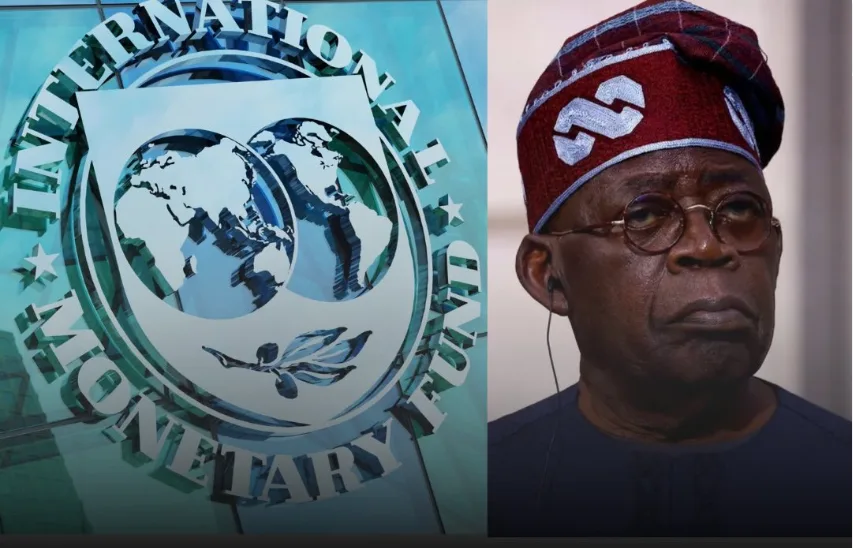
The International Monetary Fund (IMF) has strongly recommended that the Federal Government of Nigeria introduce brand-new taxes on petroleum products and telecommunications services. The controversial policy proposal, which has immediately sparked deep anxiety over a potential surge in the country’s cost of living, was detailed in the IMF’s freshly released 2026 Article IV Consultation report on Nigeria. According to the Washington-based lender, the government must implement these aggressive new tax measures over the medium term to bolster its struggling non-oil revenue stream, stabilize national finances, and fund critical developmental, social, and infrastructure projects.
Specifically, the IMF is pushing the Nigerian government to expand the coverage of Value Added Tax (VAT) to include fuel products, while simultaneously imposing fresh excise duties on telecom services like phone calls and mobile data usage. The institution also advocated for a broad increase in the standard VAT rate, alongside a rigorous review aimed at slashing existing tax exemptions and customs duty waivers. The global financial body calculated that adopting these revenue-enhancing policies could aggressively generate an extra 3.9% of Nigeria’s Gross Domestic Product (GDP) within the next three years, while separate administrative reforms to tighten tax compliance could secure an additional 3.1% of GDP.
However, recognizing the fragile state of the local economy, the IMF explicitly warned the Tinubu administration to exercise extreme caution in the implementation phase. The report emphasized that the timing of these sensitive structural reforms must deliberately take into account Nigeria’s high poverty indices and worsening food insecurity. The lender noted that the new levies should only be introduced when a fully funded, transparent social safety net and cash transfer system are structurally operational to buffer the impact on vulnerable citizens.
The recommendations are already hitting a wall of domestic resistance, setting up a major showdown between the government, corporate bodies, and civil society. Major telecommunications companies have voiced serious concerns, arguing that layering new excise duties on an already over-taxed sector will force them to pass the financial burden down to consumers through higher call tariffs and data pricing. Concurrently, organized labor unions and private business groups are raising alarms, warning that adding VAT to fuel will trigger a catastrophic spiral in transportation costs and food prices—compounding the inflation that has gripped the country since the full removal of the petrol subsidy.