

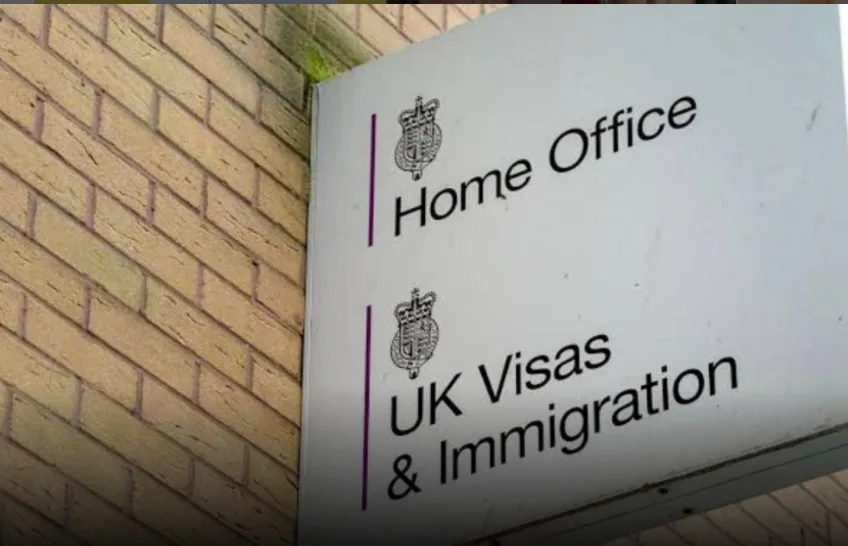
The UK government has proposed sweeping immigration reforms that drastically extend the wait time for Indefinite Leave to Remain (ILR), especially for lower-skilled migrant workers and individuals who entered the country illegally.
Under the new package unveiled by Home Secretary Shabana Mahmood, migrants who rely on human-rights appeals, such as the “right to family life,” to resist deportation may now face up to 30 years before becoming eligible for permanent residency. This marks the toughest shift in settlement policy in decades.
The reforms, which apply retrospectively to nearly two million migrants who arrived after 2021, introduce the following major changes:
- Lower-skilled workers, including care assistants and others in roles not requiring a degree, will now wait 15 years before qualifying for ILR, double the current timeline.
- Migrants who initially entered the UK illegally or as visitors, including small-boat arrivals, overstayers, and failed asylum seekers later granted stay on appeal, will face a 30-year route to settlement.
- Claiming UK welfare benefits now attracts penalties:
- Less than 12 months on benefits → additional 5 years wait
- More than 12 months → additional 10 years
- A lower-skilled worker who arrived in the last five years and received over a year of benefits could end up with a 25-year settlement route.
- High-skilled workers will now follow a 10-year standard ILR pathway.
Applicants will also be required to maintain a clean criminal record, demonstrate A-level English proficiency, show at least three years of National Insurance contributions, and avoid government debts such as unpaid visa or NHS fees.
These proposals signal a dramatic tightening of the UK’s migration system, with strong implications for foreign workers, asylum seekers, and families across the country.