

The year 2026 is on course to become the second-hottest year ever recorded, as human-induced climate change combines with an exceptionally strong El Niño weather pattern to push global temperatures higher.
According to the European Union’s Copernicus Climate Change Service, there is a 20 per cent possibility that 2026 could equal or surpass the current record set in 2024, making it the hottest year in recorded history.
The climate monitoring agency also reports that global temperatures are virtually certain to exceed 1.5°C above pre-industrial levels during 2026. More concerning is the projection that the average temperature across the four-year period from 2023 to 2026 will also exceed that threshold.
The latest findings show that October was the warmest October ever recorded, with global surface air temperatures reaching 1.75°C above pre-industrial levels. It was also the third consecutive month in which global temperature anomalies exceeded 1.5°C.
Samantha Burgess, Strategic Lead for Climate at the European Centre for Medium-Range Weather Forecasts, explained that an exceptionally strong El Niño was adding further heat to a planet already experiencing the effects of human-driven global warming.
El Niño is a natural climate phenomenon that warms parts of the tropical Pacific Ocean and influences weather patterns across the world. However, when combined with rising global temperatures caused by greenhouse gas emissions, it can intensify extreme weather conditions.
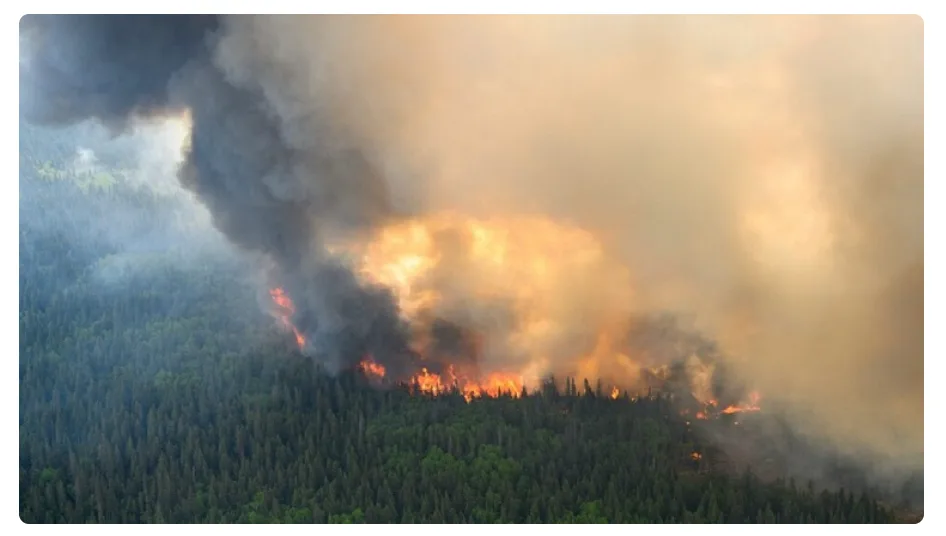
Scientists warn that the consequences could include prolonged droughts, destructive floods, intense heatwaves and worsening wildfires. Some forecasters are already raising concerns that the lingering effects of the current El Niño could make 2027 even hotter.
The warning comes as international leaders and climate negotiators gather for the United Nations COP31 climate summit in Turkey, where reducing greenhouse gas emissions and addressing the consequences of climate change remain major global concerns.
The 1.5°C target established under the 2015 Paris Agreement is intended to limit the most dangerous consequences of global warming. Although temporarily exceeding this level in individual months or years does not mean the long-term target has formally been breached, the sustained rise in global temperatures is an alarming indication of how rapidly the climate is changing.
Climate change is no longer a distant environmental concern. Its effects are increasingly visible in food production, water availability, public health, infrastructure and the frequency of extreme weather events.
As temperatures continue to rise, are governments doing enough to address climate change, or are we waiting until the consequences become impossible to ignore?